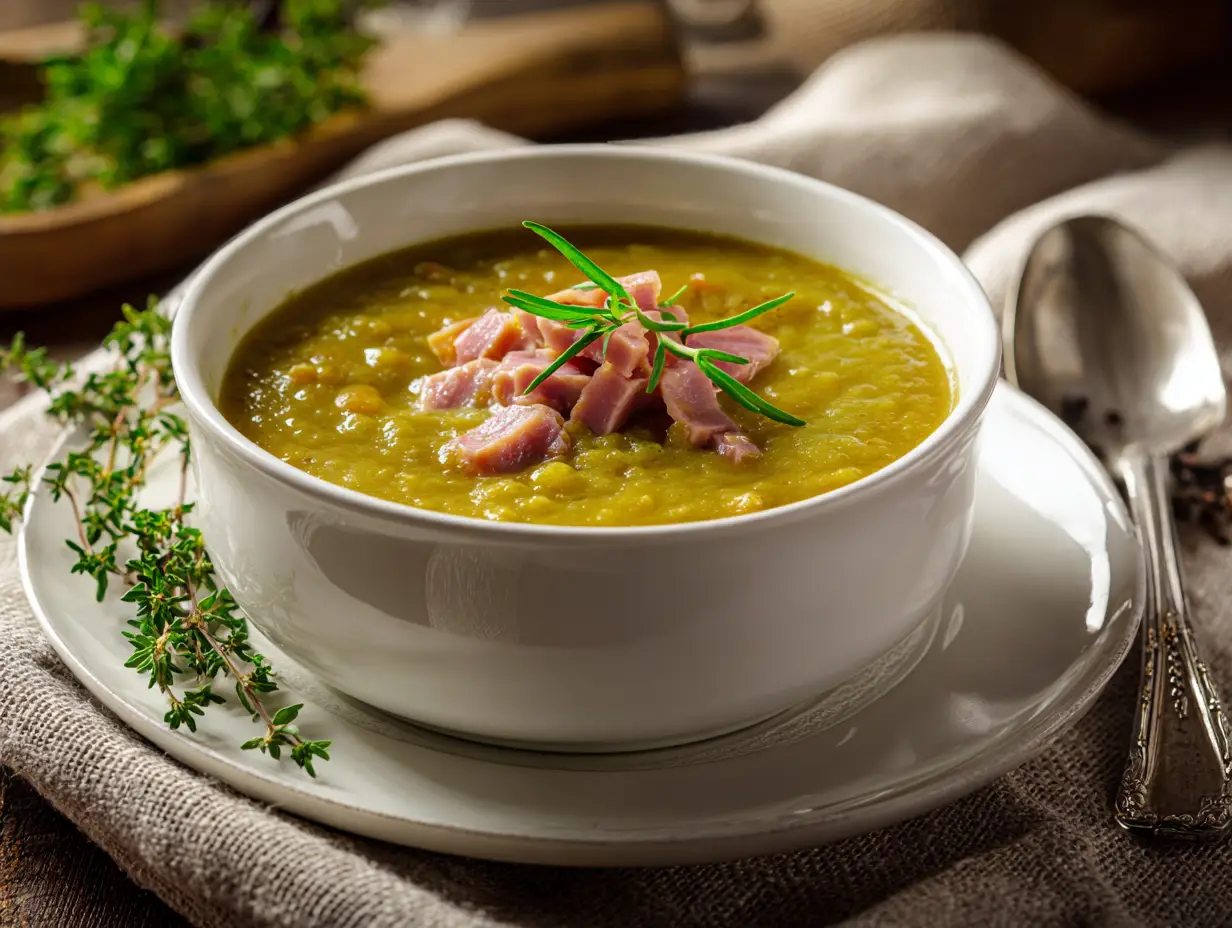
In the culinary world, some dishes transcend mere sustenance to become symbols of comfort, economy, and ingenuity. Among these cherished classics, split pea and ham soup stands as a timeless testament to transforming humble ingredients into a hearty, soul-satisfying meal. This isn't just a recipe; it's a story of resourcefulness, nutrition, and the warmth of home. Whether you're looking to utilize leftover holiday ham, boost your dietary fibre, or simply crave a comforting bowl on a chilly evening, this beloved soup delivers on all fronts, proving that deliciousness doesn't have to break the bank.
The Enduring Appeal of Economical & Flavorful Split Pea & Ham Soup
There's something inherently comforting about a steaming bowl of split pea and ham soup. For many, it evokes childhood memories of hearty, filling meals – perhaps a favorite canned variety, or even better, a homemade pot simmering on the stove. This dish is the epitome of comfort food, wrapping you in warmth and nostalgia with every spoonful. Imagine the crisp autumn air, a gentle sizzle of bacon or ham hocks caramelizing, and the savory aroma filling your kitchen – that's the magic of this classic.
Beyond its nostalgic charm, split pea and ham soup is a champion of practicality and economy. It's often born from the desire to make the most of what's available, particularly leftover ham from a festive roast. Instead of letting those precious remnants go to waste, they find new life, lending their smoky, savory depth to a soup that feels both luxurious and thrifty. This ingenuity dates back centuries, where using every part of an ingredient was not just economical but a necessity. The soup’s simple yet profound ability to transform leftovers into something spectacular is what has secured its place in kitchens across generations.
What truly sets this soup apart is its ability to deliver profound flavor with minimal fuss. Often a one-pot wonder, it simplifies meal preparation without compromising on taste. Its creamy texture and rich, smoky profile make it incredibly satisfying, perfect for a cozy weeknight dinner or even a casual gathering with friends. It's a dish that asks for little but gives so much, proving that the best meals are often those born from simple ingredients and a touch of culinary love. For more inspiration on creating cozy, easy one-pot meals, discover the secrets to a perfect batch with Cozy Comfort: Easy One-Pot Split Pea & Ham Soup for Chilly Days.
Pulses: The Nutritional Powerhouse Behind Your Bowl
While the ham might steal some of the spotlight, the true nutritional star of this soup is the humble split pea itself. These dried legumes are part of a fascinating group known as pulses, and understanding their distinction and benefits is key to appreciating this soup's value. A "legume" is a broad term referring to plants whose fruit is enclosed in a pod, encompassing everything from fresh peas and green beans to peanuts and soybeans. "Pulses," however, are a specific subset of the legume family, referring only to the dried edible seeds, such as dried peas, lentils, chickpeas, and beans.
Pulses are an absolute powerhouse of nutrition, making split pea and ham soup not just delicious but incredibly good for you. They are an exceptional source of dietary fibre, which is crucial for digestive health, promoting satiety (helping you feel full longer), and playing a role in lowering cholesterol. Incorporating more pulses into your diet is a simple yet effective way to boost your overall well-being. From a dietitian's perspective, they're a dream ingredient, offering maximum nutritional bang for your buck.
Beyond the personal health benefits, pulses also offer remarkable environmental advantages. As they grow, pulse crops like peas naturally fix nitrogen into the soil, significantly reducing the need for synthetic fertilizers. This sustainable agricultural practice benefits soil health and reduces the carbon footprint of food production. Farmers, particularly those in regions like Saskatchewan, Canada, who grow a vast majority of the world's pulses, celebrate these crops not just for their yield but for their ecological contributions. To delve deeper into how these nutritious ingredients can revolutionize your diet, explore Dietitian's Secret: Boost Fibre with Split Pea & Ham Soup.
Brainstorming ways to integrate more pulses into your daily meals can be fun and rewarding. Consider adding lentils to stews, chickpeas to salads, or using dried peas in more than just soup. Their versatility is boundless, and their health benefits are undeniable.
Crafting Your Own Bowl of Bliss: Tips for the Perfect Split Pea & Ham Soup
Creating your own batch of split pea and ham soup is a wonderfully rewarding experience, drawing on traditions that stretch back to ancient times. Peas have been cultivated since around 5000 B.C. in the Mediterranean region, valued for their availability, nutritional content, and long shelf life. In the Middle Ages, dried peas were a common staple across Europe, evolving into the beloved comforting dish we know today. This soup, often adapted from vintage recipes like those found in old Better Homes & Gardens cookbooks, is a testament to enduring culinary wisdom.
Essential Ingredients for a Standout Soup
- Split Peas: Green split peas are most common. While some recipes suggest soaking, it's often not strictly necessary for split peas as they cook down quite readily. Rinsing them thoroughly, however, is always a good idea.
- Ham: This is where leftover ham truly shines! Diced honey ham, smoked ham hocks, or even bacon can provide that essential smoky, savory base. The ham bone itself can be simmered with the peas for an extra layer of flavor.
- Aromatics: A classic mirepoix (diced carrots, celery, and onion) forms the aromatic backbone of the soup, building a foundational flavor that is both sweet and savory.
- Broth: High-quality chicken or vegetable broth enhances the depth of flavor. If you're using a ham bone, water can also work as the ham will impart plenty of flavor.
- Seasonings: Bay leaves are almost non-negotiable for their earthy aroma. Thyme, black pepper, and a touch of garlic powder can also elevate the profile. Salt should be added judiciously, especially if your ham is salty.
Tips for a Creamy, Flavorful Result
- Sauté Your Aromatics: Start by sautéing the onions, carrots, and celery in a little olive oil or, for extra depth, some of the rendered fat from bacon or ham. This step softens them and releases their aromatic compounds, setting a delicious foundation.
- Simmer Slowly: The key to tender peas and a rich, developed flavor is a slow, gentle simmer. Allow the soup to cook for at least an hour (or longer if using whole peas or a ham hock), stirring occasionally to prevent sticking. The peas will gradually break down, thickening the soup naturally.
- Don't Skimp on Ham: Use a good amount of ham, not just for flavor but for texture. If you have a ham bone, simmering it with the peas adds unparalleled depth. Remove it before serving, shredding any meat back into the soup.
- Adjust Consistency: If your soup is too thick, add more broth or water until it reaches your desired consistency. For an even creamier texture, you can use an immersion blender to purée a portion of the soup, though many prefer the rustic texture of unblended split peas.
- Balance Flavors: Taste and adjust seasonings as you go. A squeeze of fresh lemon juice or a tiny splash of apple cider vinegar at the very end can brighten the flavors and cut through the richness without making the soup sour.
This "hug in a bowl" isn't just a meal; it's a culinary journey from ancient staples to modern comfort. It's inexpensive, boasts just a few core ingredients, and is so easy that anyone can master it.
Conclusion
From its humble ancient origins to its place as a cherished family favorite, split pea and ham soup remains a beacon of culinary satisfaction. It embodies everything a good meal should be: economical, deeply flavorful, incredibly nutritious thanks to the mighty pulse, and profoundly comforting. Whether it's the crispness of autumn air or a blustery winter day, this hearty, one-pot wonder promises to warm your soul and nourish your body. So, the next time you have leftover ham, or simply crave a wholesome, satisfying meal, remember the enduring magic of split pea and ham soup – a dish that truly goes beyond leftovers to create something extraordinary.
