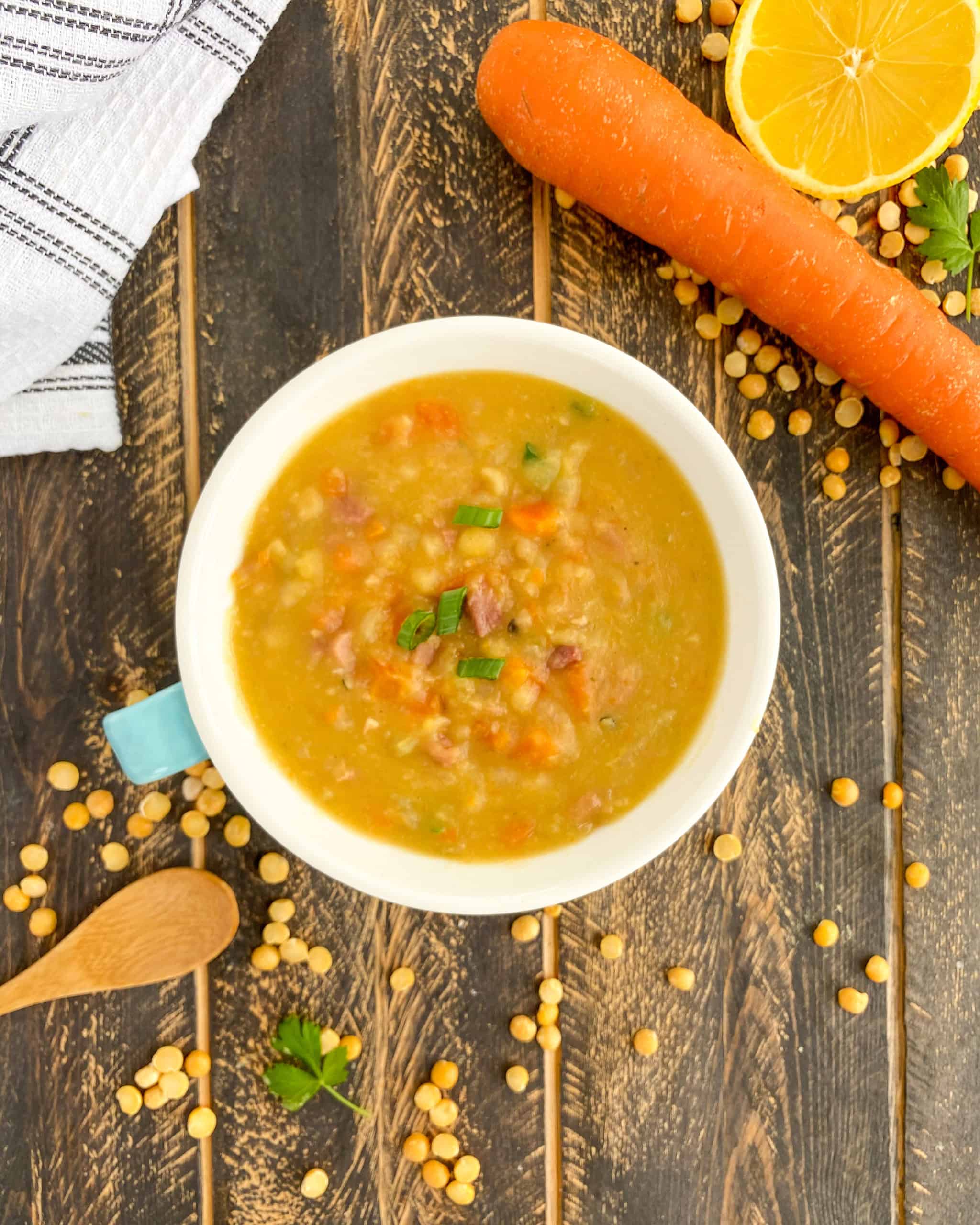
As the days shorten and a crisp chill fills the air, there's a timeless culinary tradition that whispers promises of warmth, comfort, and deep satisfaction: a steaming bowl of split pea & ham soup. For many, this hearty classic evokes cherished childhood memories of hearty, filling meals, perhaps even a beloved canned variety or a grandma's signature recipe. But what if this humble, soul-soothing dish held a secret, endorsed by nutrition experts, to significantly boost your dietary fibre intake? Indeed, it does!
Whether you're looking for a delightful way to utilize leftover holiday ham, seeking an economical and nourishing family meal, or simply craving that "hug in a bowl" feeling, split pea & ham soup delivers on all fronts. Beyond its incredible flavour and creamy texture, this soup is a powerhouse of nutrition, championed by dietitians for its impressive health benefits. Let's uncover the secrets to making this comfort food staple a cornerstone of your healthy eating strategy.
The Dietitian's Secret: Unlocking Fibre Power with Split Pea & Ham Soup
At the heart of a dietitian's appreciation for split pea & ham soup lies a humble, yet mighty ingredient: the split pea itself. These vibrant green or yellow gems are not just delicious; they are a nutritional goldmine, especially when it comes to dietary fibre. Incorporating more pulses like split peas into your diet is one of the easiest and most impactful ways to enhance your overall health and well-being.
Pulses vs. Legumes: Understanding the Nutritional Difference
Before we dive deeper into the benefits, let's clarify a common point of confusion. You might hear the terms "pulses" and "legumes" used interchangeably, but there's a subtle yet important distinction. A legume refers to the entire plant whose fruit is enclosed in a pod, encompassing a wide variety of plants like peas, beans, lupins, soybeans, and even peanuts. A pulse, on the other hand, is a specific type of legume; it refers only to the dried edible seed within the pod. Examples of pulses include dried peas, lentils, and chickpeas. So, while all pulses are legumes, not all legumes are pulses. Split peas, being dried seeds, firmly fall into the "pulse" category, making them an excellent choice for a fibre-rich diet.
The Fibre Factor: Why Pulses are Your Digestive System's Best Friend
Pulses like split peas are celebrated for being an exceptional source of dietary fibre, both soluble and insoluble. This makes them incredibly beneficial for digestive health, promoting regularity and preventing constipation. But the benefits extend far beyond digestion:
- Satiety and Weight Management: The high fibre and protein content in pulses helps you feel full and satisfied for longer periods, reducing the urge to snack unnecessarily. This can be a game-changer for weight management and maintaining a healthy appetite.
- Cholesterol Reduction: Soluble fibre in pulses helps to lower LDL (bad) cholesterol levels, contributing to improved cardiovascular health and reducing the risk of heart disease.
- Blood Sugar Control: Pulses have a low glycemic index, meaning they cause a slower, more gradual rise in blood sugar levels after eating. This is particularly beneficial for individuals managing diabetes or seeking to stabilize their energy throughout the day.
- Economical and Sustainable: From a practical standpoint, pulses are incredibly affordable, making nutrient-dense meals accessible to everyone. Moreover, pulses are environmentally friendly; they naturally fix nitrogen in the soil, reducing the need for synthetic fertilizers and supporting sustainable agriculture, as proudly demonstrated by farmers in regions like Saskatchewan, Canada, who are major pulse growers.
Beyond Comfort: The Rich History and Humble Beginnings of Split Pea & Ham Soup
While the nutritional profile of split pea & ham soup is impressive, its enduring appeal also stems from its rich history and comforting presence on tables worldwide. This classic dish is more than just a meal; it's a culinary journey through generations, a testament to simple ingredients creating profound satisfaction. The origins of pea cultivation can be traced back to ancient times, with evidence suggesting their presence in the Mediterranean region as early as 5000 B.C. Dried peas, with their long shelf life and nutritional density, became a staple in the diets of various ancient civilizations and remained a common ingredient throughout Europe during the Middle Ages.
The marriage of split peas with ham likely evolved from the practice of utilizing every part of an animal, especially after curing or smoking ham. The ham bone, often discarded, became a prized ingredient for flavouring stocks and soups, imbuing them with a smoky, salty depth that perfectly complements the earthy sweetness of the peas. This economical approach made split pea & ham soup a beloved, budget-friendly meal, capable of warming souls and filling bellies on blustery cold days in early spring, during the crispness of autumn, or the depths of winter. It truly is a "hug in a bowl," offering both sustenance and a profound sense of nostalgia.
Crafting the Perfect Bowl: Tips, Tricks, and Creative Twists for Your Split Pea & Ham Soup
Creating a truly memorable split pea & ham soup is surprisingly simple, often requiring just a handful of ingredients and a single pot. Whether you're adapting a vintage recipe passed down through generations or trying it for the first time, these tips will help you achieve a rich, flavourful, and perfectly textured soup:
- Sourcing Your Ham: The beauty of this soup is its versatility with ham. While leftover holiday ham is ideal (especially if you have the bone!), you can also use a smoked ham hock for incredible depth, a smaller cured ham steak diced, or even store-bought diced ham for convenience. Remember, the ham's saltiness will contribute to the soup's flavour, so adjust added salt accordingly. For more ideas on how to transform leftovers, check out Beyond Leftovers: Economical & Flavorful Split Pea & Ham Soup.
- Aromatic Foundation: Don't underestimate the power of a classic mirepoix (diced carrots, celery, and onion) sautéed until softened at the start of your soup-making process. These humble vegetables build a foundational flavour layer that elevates the entire dish. A touch of garlic and a bay leaf or two are also highly recommended.
- Enhancing Flavour Profile: Beyond the ham, consider adding a pinch of dried thyme or a sprig of fresh thyme for an herbaceous note. A splash of apple cider vinegar or a squeeze of lemon juice at the end can brighten the flavours beautifully, cutting through the richness.
- Vegetarian Adaptation: The ham, while traditional, can easily be omitted for a delightful vegetarian or vegan split pea soup. To replicate the smoky depth, consider adding smoked paprika, a dash of liquid smoke, or even a few rehydrated dried mushrooms to your vegetable broth.
- Cooking Method Insights: While traditional stovetop methods work wonderfully, an Instant Pot or slow cooker can make this a truly hands-off meal. The Instant Pot significantly reduces cooking time, while a slow cooker allows flavours to meld beautifully over several hours, ensuring a tender, creamy result. For detailed instructions on making an effortless version, explore Cozy Comfort: Easy One-Pot Split Pea & Ham Soup for Chilly Days.
- Texture Control: Split peas naturally break down, creating a creamy texture. If you prefer a smoother soup, you can use an immersion blender (or carefully transfer to a regular blender) to purée a portion or all of the soup. For a chunkier texture, leave it as is or remove some ham and vegetables before blending, then stir them back in.
Embracing Pulses: A Dietitian's Guide to More Fibre in Your Daily Meals
The beauty of split pea & ham soup is that it introduces you to the wonderful world of pulses. Once you appreciate their nutritional value and versatility, you'll want to incorporate them more often. Here are some simple, dietitian-approved ways to boost your fibre intake with pulses:
- Soup Stars: Beyond split peas, lentils, chickpeas, and various beans (black beans, kidney beans, cannellini beans) make excellent additions to virtually any soup, adding protein and fibre without much fuss.
- Salad Enhancers: Cooked lentils or chickpeas are fantastic in salads, providing a satisfying bite and a protein punch. Try them in a Mediterranean-inspired salad with cucumbers, tomatoes, feta, and a lemon-herb dressing.
- Spreads and Dips: Hummus (made from chickpeas) is a classic example. Explore other bean dips like white bean and rosemary or black bean salsa for healthy snack options.
- Main Dish Marvels: Replace some or all of the meat in dishes like chili, tacos, or pasta sauces with lentils or beans. They absorb flavours beautifully and add texture and nutrition.
- Breakfast Boost: Believe it or not, some cultures enjoy savoury bean dishes for breakfast! Consider adding a small portion of black beans to your morning scramble or breakfast burrito.
Ultimately, split pea & ham soup isn't just a nostalgic comfort food; it's a strategically smart choice for anyone looking to eat healthier without sacrificing flavour. Its rich heritage, incredible affordability, and stellar nutritional profile, particularly its fibre content, make it a true dietitian's secret for boosting wellness. So, the next time you're seeking a meal that nourishes both body and soul, reach for those split peas and a flavorful cut of ham. You'll be enjoying a delicious tradition while doing your digestive system a favour.
